The Best Time of Year to Build a Deck
Deck timing matters for cost, wood behavior, and weather delays. This guide shares the best months to plan and build in the US—and how to talk to licensed deck builders before you start.
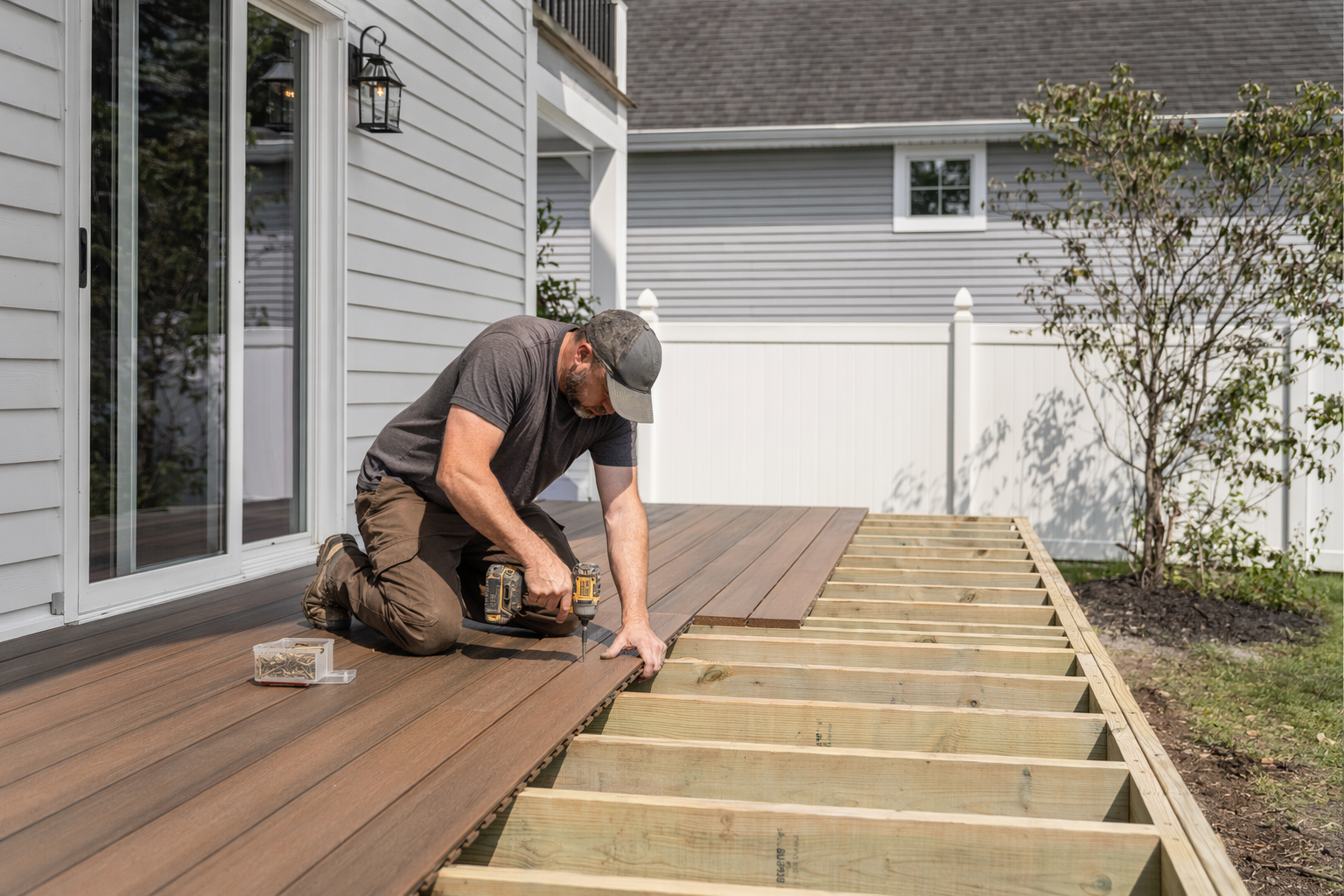
Quick answer: the best time to build is usually late spring through early fall
In most parts of the US, the sweet spot is typically late spring to early fall. Weather is milder, rainfall is easier to work around, and materials generally dry and set more predictably.
If you live somewhere with harsh winters (snow, freeze-thaw cycles, long periods below freezing), spring is often the safest “start window” because footings and framing aren’t fighting frost. If you’re in a hot or humid area, early fall can be a better choice than peak summer heat.
OutDeckly is a free matching service. We help you connect with licensed, insured deck builders near you so you can compare schedules and get a clear scope before you choose a pro. If you’re ready, you can start at get matched.
Why timing affects deck quality (and how builders plan around it)
Deck building isn’t one single day of work. It often includes excavation, footings, framing, ledger board attachment (when applicable), stairs and railings, decking installation, and then weather-related steps like flashing, sealing, or staining.
The biggest weather variables are:
- Rain and ground moisture: Wet soil can make excavation sloppy and can delay concrete/footing work.
- Freeze-thaw: Cold snaps can affect how concrete sets and can complicate digging and leveling.
- Heat and humidity: In very hot conditions, some finishing steps (like staining/sealing) may need different scheduling so coatings cure properly.
That’s why most reputable builders schedule in phases and plan for “dry days,” material deliveries, and cure times. Ask your builder how they handle delays and whether they’re scheduling lead times for lumber/composite and railing systems.

Best seasons by region: typical patterns across the US
There’s no single national month that’s perfect everywhere. But the patterns are consistent enough to plan around.
- Cold/snow regions (freeze in winter): Late spring through summer is often ideal. Builders generally want ground that’s not frozen and time for complete installation before early winter. If staining is part of the plan, they may recommend a window that allows enough drying time.
- Hot climates (high heat and humidity): Many builders prefer early fall or late spring to avoid peak summer heat. If you’re using composite or PVC decking, they can still install in heat, but finishing/coating steps may need careful timing.
- Mild/wet climates: Spring can be good, but you’ll likely build around weather systems. Some contractors shift work (framing first, finishing later) to reduce risk from repeated rain.
Before you pick a start date, check your local code and permit lead times—some areas require reviews that can slow your timeline. Permit rules and inspection schedules vary by city/state.
What to ask when you contact builders (so your timing matches the scope)
When you request quotes or availability, don’t just ask “Can you do it in June?” Ask questions that affect schedule and quality.
Good questions include:
- How long will the project take once permits are approved? (Deck building often includes a permit/inspection window.)
- Will you be using a ledger board? If yes, what flashing/water management details do you plan for?
- What footings and hardware approach are you using? (For example, depth/spacing is based on local frost line and site conditions.)
- How do you handle rain days? (Do you cover materials, pause certain steps, or sequence the work?)
- For railing and stairs: Are there constraints on baluster spacing, handrails, or step rise/run based on local code?
If you’re still getting oriented, our guide to vet a deck builder can help you verify what to look for. And if you want a realistic budget before you schedule, see deck costs.
Cost and schedule trade-offs: starting too early or too late
Timing can change your total cost even if your deck “design” stays the same. Here are common reasons:
- Labor availability: Peak summer schedules fill quickly. Waiting until fall might open spots, but some crews also slow down before winter.
- Material lead times: If a specific rail style, fastener system, or composite brand has a backorder, your build date may shift.
- Weather-related delays: Rain can pause excavation and concrete work. Cold snaps can delay curing. Heat can affect coating schedules.
Also, costs depend on many things—size, material, height, footings, railings, stairs, and site conditions. If you’re pricing your project, treat any numbers you see as estimates typical ranges, not a real quote. The right next step is to compare licensed/insured builders and get the exact scope and price in writing before any deposit.
Plan backwards from your ideal start date (a simple timeline you can use)
A deck timeline is easier when you plan in reverse. Here’s a practical sequence you can copy:
1) Choose a target month for starting site work (digging/footings).
2) Book builder time as early as you can. If you want a summer build, start outreach in spring. If you want early fall, outreach in late summer can help.
3) Confirm permits and inspections early. In many places, permit approvals and inspections take time and may affect when framing and final decking/finishes are installed.
4) Lock the material plan. Wood vs composite vs PVC isn’t just appearance—each has different maintenance needs and cost ranges.
5) Schedule finishing with the weather in mind. Wood sealing/staining and any coating steps need suitable conditions so the finish can cure and perform.
If you want to speed up the “find pros” part, OutDeckly can help you connect with the licensed deck builders we match near you at get matched.
Most decks go up best in late spring through early fall, but the exact timing depends on weather, permits, and material lead times—so compare licensed, insured builders and plan your schedule around inspections and finishing needs.