Deck Lighting Ideas and What They Cost
Want to light up your deck? Here are practical lighting ideas and realistic cost ranges (typical estimates), plus what to ask licensed, insured deck builders before you pay a deposit.
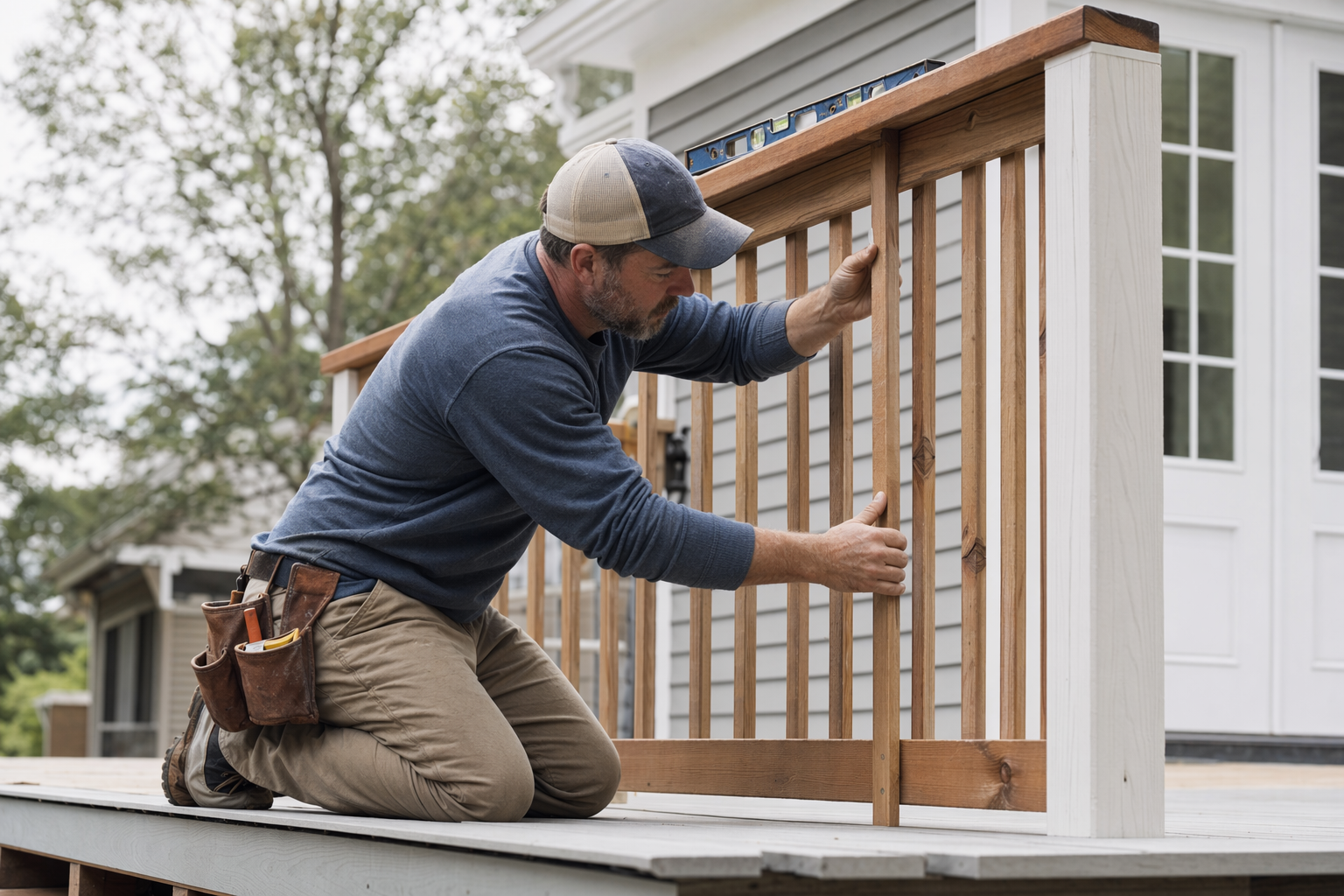
Quick deck lighting ideas (and where they usually go)
Good deck lighting usually comes in layers: a little low light to guide steps and edges, plus brighter task lighting near doors, grills, and seating.
Start by thinking about what you want people to notice—safe walking paths, a railing glow, or the space under the seating. Then choose fixtures that match the deck height, railing style, and how you’ll use the space at night.
Here are common placement ideas homeowners use:
- Step and stair lighting (helps people find each step).
- Railing lights or baluster/beam lights (creates a “frame” around the deck).
- Deck skirt/under-rail lighting (soft wash on the boards or stairs).
- In-deck or fascia lights (brightens the deck surface or posts).
For a safer install, you’ll want the wiring plan to match the deck’s layout—joists, ledger board location, rim/fascia framing, and where the electrical can run without being exposed or crushed.
Typical cost ranges for deck lighting (estimates, not quotes)
Deck lighting costs vary a lot based on fixture type, wire routing, power source, and how much electrical work is needed. The price depends on the deck size, layout, number of lights, deck height, and whether you’re adding a new circuit, upgrading an existing one, or relocating the connection point.
As rough planning ranges, homeowners often see:
- Basic low-voltage path lights (often the simplest DIY-friendly setup, but still check local rules): roughly $100–$300 per light, installed.
- LED deck rail or fascia lighting (varies by system): roughly $200–$700 per light or per section, installed.
- Hardwired recessed/under-rail fixtures: roughly $250–$1,000 per fixture, installed.
- Larger projects with multiple circuits, dimmers, timers, and longer wiring runs: commonly adds a few hundred to several thousand dollars depending on complexity.
If you’re budgeting, don’t just price the fixtures. Wiring, conduit, mounting/retrofit labor, and any panel or GFCI/AFCI requirements can move the total up or down.

Popular lighting options: what they cost and trade-offs
Below are common options homeowners ask about. These are general trade-offs, not a recommendation for your home.
Low-voltage landscape-style path or step lights are often easiest to integrate when you want guidance along stairs and edges. They usually cost less per fixture than hardwired systems, but you still pay for mounting, trenching/wire runs (if needed), and ensuring correct transformer placement.
Railing and post lighting can look great and provide a steady glow without aiming lights straight into neighbors’ eyes. Costs depend on whether the lights are integrated into the railing system, mounted to posts, or installed along the fascia. You may also need dimmers or smart controls, which affect total price.
Hardwired LED fixtures (for example, under fascia or recessed deck board/cantilever-style setups) can be bright and clean, but they typically require more electrical work—conduit runs, safe cable routing, and a proper connection to your home’s electrical system.
Material matters too. Pressure-treated or cedar decks may be easier to mount into during initial construction, while adding lighting to an older deck can require careful retrofit work so you don’t compromise structure or weatherproofing.
Controls and safety features that affect price (and comfort)
Dimmers, timers, photocells, and motion sensors can change both how you enjoy the deck and how much the project costs. A simple switch is usually cheaper than adding automation.
Safety features are not optional. Ask your deck builder how they’ll handle:
- GFCI protection (common requirement for outdoor outlets/lighting circuits).
- Weatherproofing and water-shedding for any fixture housings.
- Cable and conduit routing to protect wiring from moisture, vibration, and physical damage.
Also, talk about light color and glare. Many homeowners prefer warm white LEDs for decks because they look less harsh. The “right brightness” depends on whether your goal is a soft walkway glow or a brighter cooking/social area.
What to ask a licensed, insured builder before you pay
OutDeckly connects you with the licensed, insured deck builders near you, so you can compare quotes and choose who to hire—but you still need to verify the details yourself.
Before any deposit, ask builders to explain (in writing) how the electrical and mounting will be handled. You’ll want the plan to cover fixture placement and wiring routes, including how they’ll avoid damaging joists and other structural members.
For permits, rules vary by city/state, but many areas require permits for electrical work and decks. Confirm that the builder will pull the right permits and that the work is approved at inspection.
If you want a checklist, see: How to vet a deck builder and then compare plans with deck costs. When you’re ready, you can also request matching at /get-matched/.
Plan your lighting layout in minutes (simple homeowner checklist)
Before you get quotes, walk your deck at night (or turn on a phone flashlight) and notice where people naturally pause: stairs, railings, the door path, the grill/serving area, and any seating corners.
Then count your “light needs.” A good starting point is:
- 1–2 lights on/near each stair run for safe steps.
- Lighting near door entry so you don’t fumble for keys.
- A few lights around the seating zone so you can see without blasting the neighbor’s yard.
Finally, measure key dimensions (deck height from ground, stair width, railing length, and where power is located). Those numbers help builders estimate labor and wiring length more accurately.
Get practical lighting ideas and realistic cost estimates for your deck, then compare licensed, insured builders who can handle safe wiring, permits, and installation details in writing.