Pool Deck Options and Costs
Planning a pool deck? This guide walks you through the most common materials and layout options, plus typical cost ranges. Use it to compare quotes from the licensed, insured deck builders we connect you with.
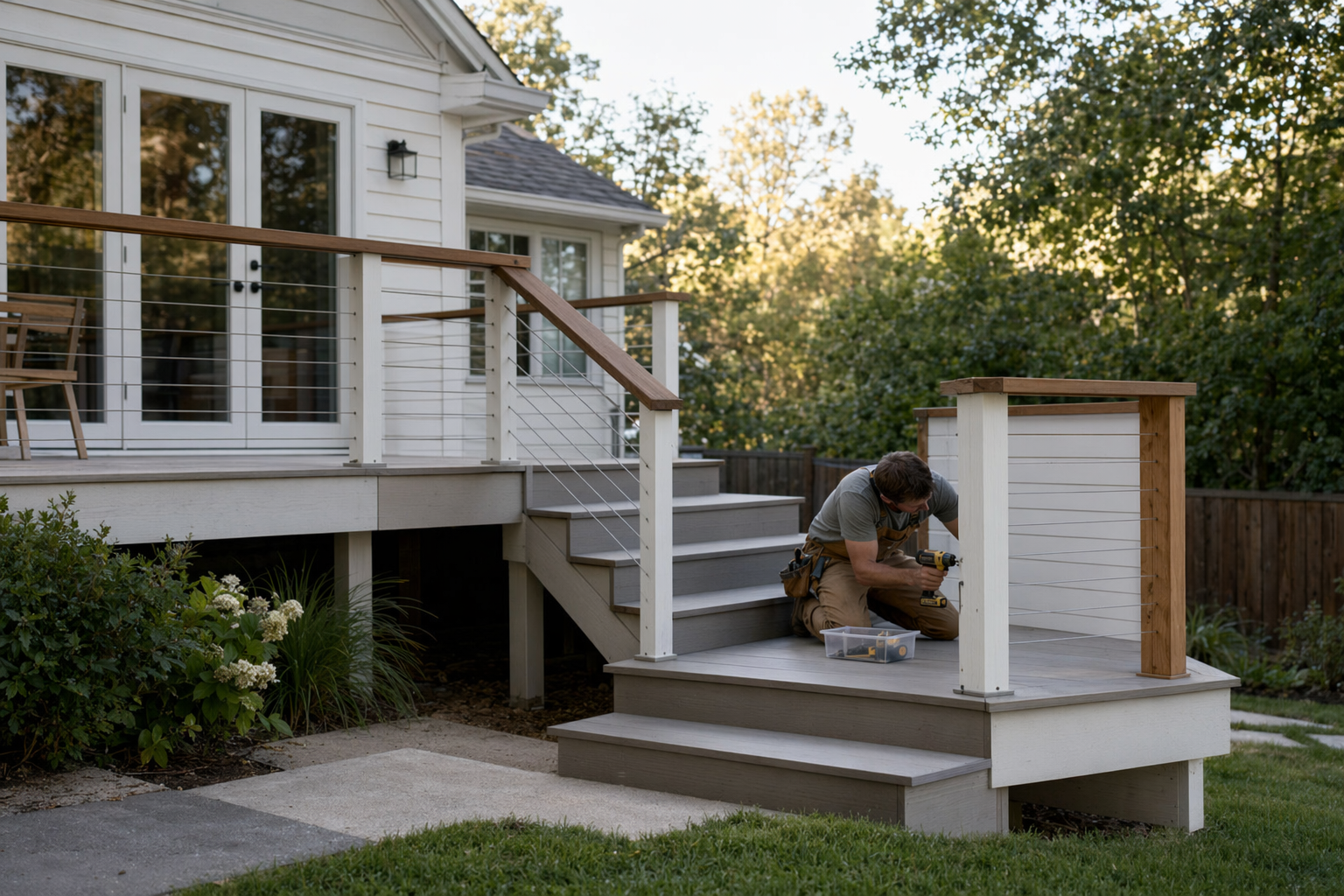
Start with the big decisions (before you price anything)
A pool deck is more than “add boards.” The layout, height, drainage, and how the deck ties into your home all affect price.
Before you ask for bids, get clear on these items: the deck size (square feet), deck height off the ground, whether you need stairs, and what railings are required where you live. Also think about spacing and surface type near the pool—some materials get hotter in direct sun, and some are more forgiving under wet feet.
Once you know the basics, you can compare builder quotes more fairly. We can help you get matched with licensed, insured deck builders near you, so you’re not guessing alone—use this guide to ask better questions.
If you’re still early in planning, see Get matched with deck builders.
Common pool deck materials (and what they trade off)
Most pool decks fall into one of four material buckets: pressure-treated wood, cedar/redwood, composite, or PVC. The “best” option is usually the one that fits your climate, your maintenance comfort, and how long you want the deck to last.
A key point: prices below are typical estimate ranges, not quotes. Real costs depend on factors like railings, footings (especially for higher decks), stairs, site access, and local permitting/code requirements.
Here’s how the materials generally stack up in the real world:
• Pressure-treated wood: lowest upfront cost, but you’ll plan on regular sealing/staining. It can warp or check over time if the finish and moisture management aren’t kept up.
• Cedar: mid-range upfront. Often looks great and can take stain well, but it still needs ongoing care.
• Composite (wood-plastic or similar): higher upfront cost. Many homeowners choose it for lower maintenance—no sealing and less routine staining.
• PVC (ultra-low maintenance): usually the priciest option and very weather-resistant, often used where you want the easiest upkeep.

Typical pool deck cost ranges (by option)
Most homeowners think in “per square foot,” but pool decks rarely stay simple. Railings, stairs, and deck height add a lot. Also, wet-area slip resistance, drainage, and whether footings need to go down to the frost line can change the total.
Below are typical estimate ranges for deck building (not including design permits or site-specific extras). Use them to budget, then confirm the exact scope with licensed, insured builders.
General estimate ranges:
• Pressure-treated wood: often the lowest upfront. Expect roughly the low to mid “tens of dollars” per sq ft in many areas.
• Cedar: typically more than pressure-treated. Often budget a bit higher per sq ft depending on local lumber prices.
• Composite: commonly in the mid to high “tens of dollars” per sq ft range.
• PVC: often the highest upfront, commonly in the high “tens of dollars” or more per sq ft range.
Railings and stairs are major cost drivers. Deck railing can add thousands, especially for taller decks or more railing length. Stairs add complexity because they require proper stringers, treads, and safe landing heights.
For a fuller breakdown, visit Pool deck costs and budget planning.
Design features that change price the most
If two decks are the same size on paper, they can still cost very different amounts. The details below tend to move the number up or down.
1) Deck height and footings
Higher decks typically require deeper or more substantial footings and more structural framing. Footings often need to be set below the frost line in many parts of the US, depending on your local code.
2) Railings and balusters
Many pool areas require safety railings. The spacing of balusters, the height, and whether the deck has openings near the pool can all affect material and labor.
3) Stairs and landings
Stairs aren’t just extra boards. Builders need proper rise/run, stringers, handrail requirements (often code-based), and safe step dimensions.
4) Surface requirements for wet feet
Pool decks get wet. Builders may recommend slip-resistant surface finishes or specific decking profiles. That can influence material choice and installation method.
5) Where the deck connects
Ledger boards (attaching to a house), beams, and how the deck “transitions” to the pool area matter. Site conditions like slopes, access for materials, and tree roots also play a role.
If you want to compare options, focus your questions on these items so you’re not comparing apples to oranges.
How to compare quotes safely (and avoid surprises)
OutDeckly is a free matching and information service. We connect you with the licensed, insured deck builders near you, but you’re the one who hires and signs the contract.
When you get quotes, don’t just compare the total price. Ask for the scope in writing. That should include decking material type, joist spacing/specs, beam sizing approach (if applicable), railing style, stair materials, and what’s included in surface preparation and final finish.
Also confirm the basics that protect you:
• Verify license and insurance directly with the builder (and ask what’s covered).
• Confirm the right permits will be pulled and that the work will pass inspection—permit rules vary by city/state.
• Get price and scope in writing before any deposit. Don’t rely on verbal descriptions.
For help vetting contractors, use How to vet a deck builder.
Maintenance expectations (so the deck stays pool-ready)
Pool decks get more wear than most decks because they’re often exposed to constant water splash, chemicals, and foot traffic. Maintenance isn’t just about looks—it’s about slip resistance, fastener condition, and keeping wood from drying unevenly.
Pressure-treated and cedar decks usually require a planned schedule for sealing/staining. The exact timing depends on the product, your weather, and sun exposure.
Composite is often chosen for low upkeep. Even so, it’s not “no maintenance.” You’ll still want regular cleaning and periodic checks of fasteners, rail connections, and any areas where water pools.
PVC is usually the easiest to maintain and very weather-tolerant, but you’ll still want to inspect for issues after storms or seasonal temperature swings.
If you’re unsure, ask matched builders what a realistic maintenance plan looks like for your specific materials and climate.
Use this guide to understand pool deck material choices and the main cost drivers, then compare written scopes from licensed, insured builders we match you with.