Warning Signs of a Bad Deck Builder
Bad deck builders leave clues early: vague pricing, missing license and insurance proof, and pressure to start fast. Catch those signs before you sign anything.
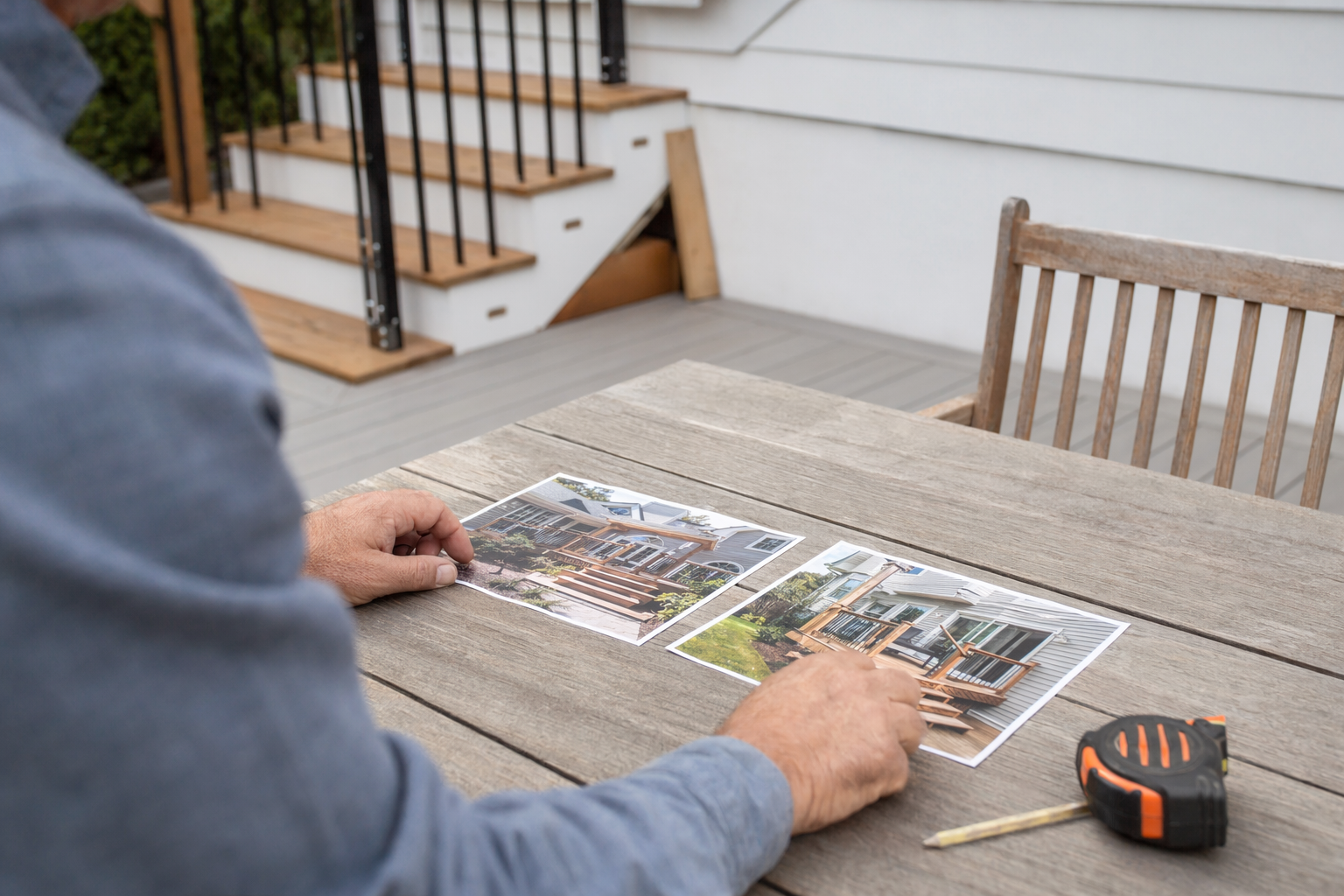
Ask for the basics first
A good deck builder should be able to explain their license, insurance, and recent deck work without dodging the question. If they hesitate, give you a half-answer, or say you do not need to check, treat that as a warning.
Ask for the company name, license number, proof of general liability insurance, and workers’ compensation coverage if they have employees. Then verify it yourself with your state or local licensing office. A real pro will not mind.
You should also ask who will pull the permit. Permit rules vary by city and state, but for most deck projects, the work should be permitted when required and pass inspection. If a builder says permits are unnecessary for everything, be careful.
Watch for vague or changing prices
A bad quote is often short on detail and big on promises. If you only get one number with no written scope, no material list, and no explanation of footings, railings, stairs, or framing, you are not getting enough to compare bids.
Get the price and scope in writing before any deposit. The estimate should say what is included, what is not, and what could change the price, such as deck size, height, site access, soil conditions, footings, stairs, and railing choices.
Typical deck costs are estimates, not quotes, and they change by material and area. Pressure-treated wood is usually the lowest upfront cost but needs regular sealing. Cedar tends to sit in the middle. Composite costs more at the start but usually needs less upkeep. PVC is often the most weatherproof and the priciest.

Be careful with pressure tactics
A builder who pushes you to sign today is creating stress on purpose. You should never feel rushed into a deposit, a contract, or a permit decision.
Common pressure lines include “This price is only good now,” “We can start before you check references,” or “You do not need to read the contract.” Slow down. Ask for time to compare a few licensed, insured deck builders and read the paperwork.
A reliable company will understand that homeowners need time to compare scope, materials, timing, and price. If they get annoyed because you want to verify details, that tells you a lot.
Look for weak communication and sloppy paperwork
Poor communication usually gets worse after the job starts. If a builder is hard to reach now, gives different answers by phone and text, or keeps changing the plan, the project may become a headache later.
The paperwork should match the conversation. Check that the estimate, contract, and any drawings describe the same deck size, material, railings, stairs, and finish details. If anything is missing or confusing, ask for a corrected version before you pay.
Also be cautious if the builder will not say who is responsible for inspections, cleanup, or final punch-list items. Those details matter on real jobs.
Red flags in a deck estimate
A strong estimate is specific. A weak one is vague, incomplete, or oddly cheap compared with the rest. Low numbers can mean missing materials, weak framing, no permit work, or surprise add-ons later.
Here are signs to pause and ask more questions:
How to protect yourself before hiring
Compare at least a few licensed, insured deck builders and keep the conversation in writing when you can. Ask for references, recent deck photos, and a clear timeline, then verify the license and insurance yourself.
Use a simple checklist: confirm permit responsibility, ask what happens if inspections require changes, and make sure the contract covers payment schedule, material substitutions, cleanup, and warranty terms. Never hand over a deposit until the scope is clear.
If you want help getting connected with local pros, get matched. If you are still learning how pricing works, see typical deck costs. You can also use this vetting guide to compare builders step by step.
Bad deck builders usually leave clues: vague quotes, no license or insurance proof, pressure to sign fast, and messy paperwork. Verify everything before you hire.