Deck Footings, Frost Line, and Depth
Deck footings need to go deep enough to resist frost heave—your frost line depth matters, plus soil type and how your deck is framed. Learn what builders typically consider so you can compare quotes confidently.
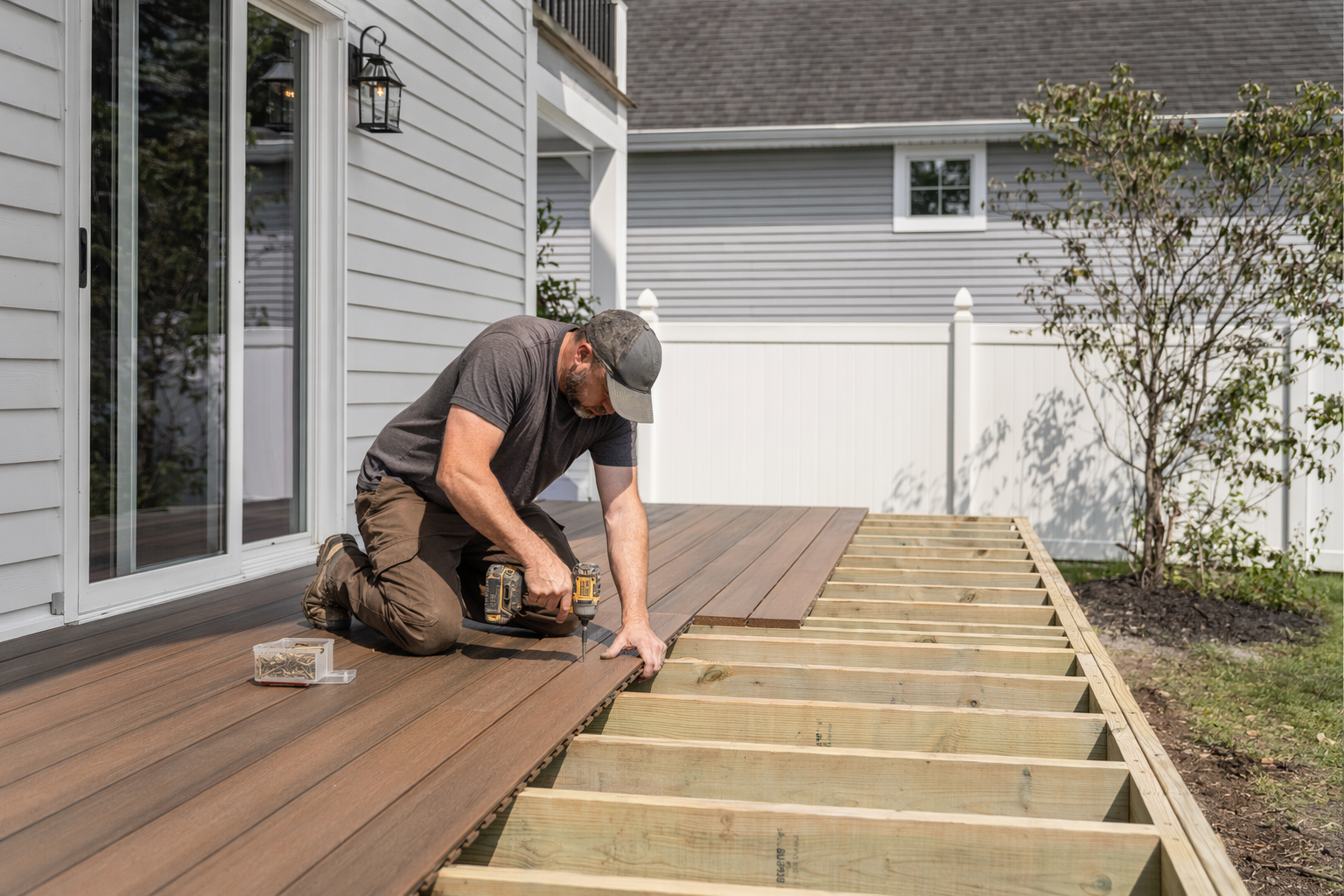
Why deck footings depth matters (frost line and soil)
Deck footings are the part of the foundation that keep the deck from shifting as the ground freezes and thaws. If footings are too shallow, the soil can expand during winter (frost heave) and push the deck out of alignment.
The “frost line” is the depth in your area where soil may freeze. Many jurisdictions require footings to extend below that depth (or to follow an approved alternative). But frost line rules aren’t the same everywhere, so city/state requirements and local amendments matter.
Builders also plan for soil conditions. Clay can behave differently than sand or loam, and wet or poorly draining areas can change how stable the ground is. That’s why two decks that “look similar” can have different footing depths and sizes.
What “frost line” means in plain language
Frost line depth is the approximate depth where freezing temperatures can reach in the ground during cold weather. It’s used as a safety guideline so foundations stay below the zone where frost can expand the soil.
Commonly, the required depth for footings is tied to frost depth for the area, but the exact requirement depends on your local building code and the specific foundation approach. Some places may allow alternatives (like certain footing designs or site-specific engineering), especially where conditions warrant.
If you’re matching with a builder through OutDeckly, you’ll want to ask how they determine frost depth for your address and whether the plan matches your local code. If the builder can’t explain it clearly, that’s a red flag.

Typical deck foundation options builders use
Most residential decks rely on post-and-beam or ledger-to-house framing, supported by footings under the main posts. In many areas, that means concrete piers or “punch-outs” formed into the ground with footings sized for load and soil.
A common setup is: concrete footings, then concrete piers/posts extending up, then wood or steel posts carrying beams. The beam supports joists, and the joists carry the decking boards. The depth and diameter of concrete below grade are where frost-heave protection happens.
Depending on the site, builders might also use engineered alternatives (for example, if access, slope, or soil conditions make standard footing methods impractical). Those alternatives should still meet local code and pass inspection. The key point: there’s usually no one-size-fits-all depth without considering soil and jurisdiction.
How builders decide footing depth and size
Footing depth is often driven by frost requirements and site specifics. Builders also consider loads—how big the deck is, how it’s framed, railing height, and whether there’s a roof or heavy live loads (like a hot tub, though that changes the design a lot).
Footing size (like diameter or concrete area) depends on the soil’s load-bearing capacity. Poor soil may require larger footings or different foundation techniques. Some decks also require special handling near slopes, drainage swales, or areas with fill dirt.
If the deck attaches to a house, the ledger board connection matters too, but it doesn’t replace footing requirements for the freestanding post supports. For ledger decks, builders still need to address water management and proper attachment methods.
To compare estimates responsibly, ask each matched licensed/insured builder these questions: how they determine frost-line depth for your address, what foundation system they plan (and why), what footing dimensions they expect, and whether the scope includes permit paperwork and inspection planning. You can also review typical deck costs with Deck costs and what affects price.
What to expect during the footing and inspection process
In many jurisdictions, permitting and inspections happen in stages. A common flow is: permit approval → excavation of footing holes/piers → placement of reinforcement and concrete → inspection → then framing begins.
During the inspection, the inspector may check things like footing depth, whether the hole is clean and properly sized, rebar placement (if used), and whether the builder followed the approved foundation plan. If the soil looks significantly different than expected, the design may need adjustments.
Because footing work is critical and hard to undo later, reputable builders usually do it carefully and document it. A good process includes clear communication about what will be inspected and when, plus confirmation that the work will pass inspection before cover-up steps.
If you want tips for choosing and vetting builders beyond foundation details, see Vetting a deck builder. And if you haven’t started getting bids yet, get matched with licensed, insured deck builders so you can compare scopes and ask the same footing questions across companies.
Cost expectations: what footing depth and frost can change
Costs for decks vary a lot, and footing depth can be a major driver. Deeper excavations mean more labor, more concrete, and sometimes larger or more complex foundation components. Soil type also affects the work—rock removal, water in the hole, or unstable ground can raise costs.
As a general expectation (not a quote), deck building costs often depend on size (square feet), materials (pressure-treated wood, cedar, composite, or PVC rails/decking), and complexity (stairs, landings, railings, and site conditions). Because footing work changes with depth and soil, two decks with the same surface area can still end up with different total prices.
You’ll see many builders mention “per-square-foot” numbers, but those are best treated as rough estimates. Pressure-treated wood is usually cheapest upfront, cedar is mid-range, and composite is often more expensive upfront but can last longer with less upkeep. PVC is typically the most weatherproof but also the priciest. The right choice depends on your local climate, maintenance preferences, and budget—not just price.
Before you pay anything, make sure the builder provides a written scope that includes the foundation approach, permit handling, and inspection expectations. If you’re comparing options, keep the footing scope consistent so you’re not comparing apples to oranges. For more background, visit Deck costs and what affects price.
Deck footing depth is mostly about protecting against frost heave—your frost line, soil, and local code determine how deep and how big the footings should be.