What a Deck Really Costs to Maintain
Deck upkeep is usually cheaper than replacing a deck, but the real cost adds up fast if you skip small jobs. Cleaning, sealing, board replacement, and hardware checks all depend on the deck size, material, weather, and how much damage is already there.
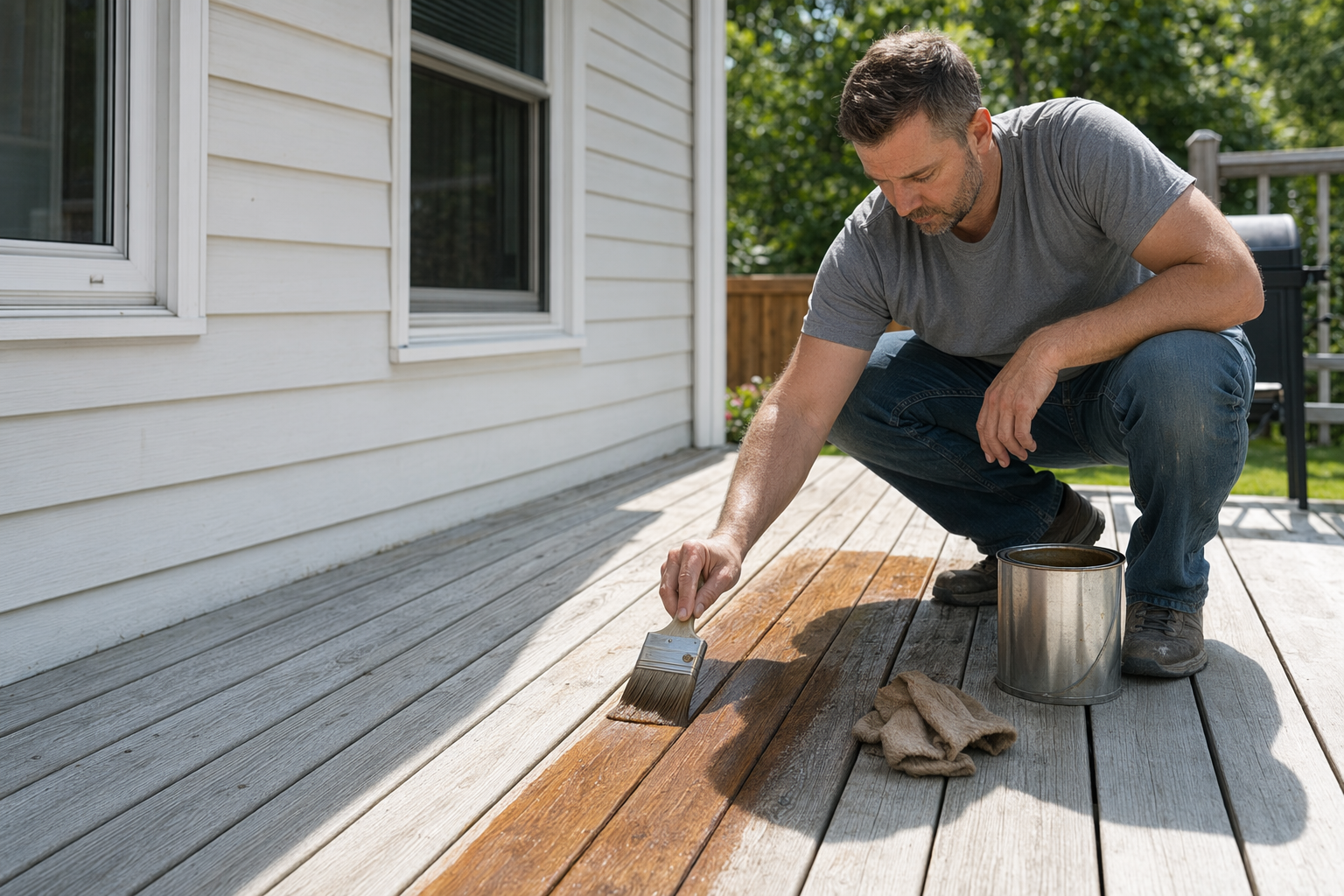
The main upkeep costs, in plain English
Most homeowners pay for a mix of cleaning, sealing or staining, minor repairs, and an annual inspection. A small deck in decent shape may only need a wash and fresh sealer now and then, while an older deck with loose boards, rusted fasteners, or soft spots can turn into a much bigger project.
Typical maintenance costs are estimates, not quotes. A basic professional cleaning might be a few hundred dollars for a small deck, while stain or sealant work can run higher if the surface needs prep, sanding, or repairs first. The final price depends on deck size, height, railing length, stairs, wood condition, and local labor rates.
Material changes the maintenance bill
Pressure-treated wood is usually the cheapest upfront, but it needs the most ongoing care. Expect regular cleaning and sealing or staining to protect it from sun and moisture. If you let it go, the surface can dry out, split, or rot faster.
Cedar often sits in the middle. It can look good with less finish than pressure-treated wood, but it still needs upkeep to keep color and weather resistance. Composite costs more upfront, but it usually needs only washing and the occasional spot repair. PVC is the most weatherproof and usually the priciest, with very low routine upkeep.
Frame material matters too. A composite deck board on a wood frame still depends on the frame staying dry and solid. If the framing is aging, you may save on surface care but still face structural repair costs.

What repairs cost more than people expect
The expensive jobs are usually the ones you cannot see from the top. Rotten ledger boards, failing flashing, soft joists, undersized footings, and corroded connectors can turn a simple-looking deck into a major repair.
Railings, stairs, and guard posts also matter. These parts take a lot of wear, and if they are loose or damaged, a licensed builder may need to open up more of the deck to fix the problem safely. In some cases, replacing a few boards is enough. In others, the builder may recommend partial rebuilds because the hidden structure is not sound.
If a builder says the deck needs more than cosmetic work, ask for the scope in writing before you pay a deposit. Get a line-item estimate and confirm whether permits and inspections are included.
How weather and location change maintenance needs
Sun, rain, snow, and freeze-thaw cycles all affect upkeep. A deck in a wet or shaded yard may need cleaning more often because mildew grows faster. In cold areas, moisture can get into small cracks and widen them over time. Near the coast, salt air can be harder on metal fasteners and connectors.
Local code and permit rules also vary by city and state. If maintenance turns into repair work that affects structural parts, railing height, stairs, footings, or the ledger, a permit may be required. That is one reason to hire licensed, insured deck builders and verify the paperwork yourself before work starts.
How to lower long-term maintenance costs
The cheapest deck is not always the one with the lowest sticker price. A deck that sheds water well, has proper flashing, and uses the right fasteners can cost less to maintain over time than a bargain build that starts failing early.
Keep the deck clean, clear debris from between boards, and check for loose fasteners, popped nails, soft spots, and wobbly railings each season. Catching a small problem early usually costs less than waiting until water damage spreads.
If you are planning new work, compare quotes from the licensed, insured deck builders we match you with and ask what maintenance each material will need. You can also review how to vet a deck builder and browse broader deck cost guides before you decide.
Deck maintenance starts small, but wood, weather, and hidden damage can make costs climb, so compare licensed insured builders, verify permits, and get every repair in writing.