Does a Deck Add Resale Value?
A deck can help a home sell faster and feel more useful, but the resale bump depends on your market, the quality of the work, and whether the deck fits the house. The safest move is to plan it like a home improvement, not a guaranteed investment.
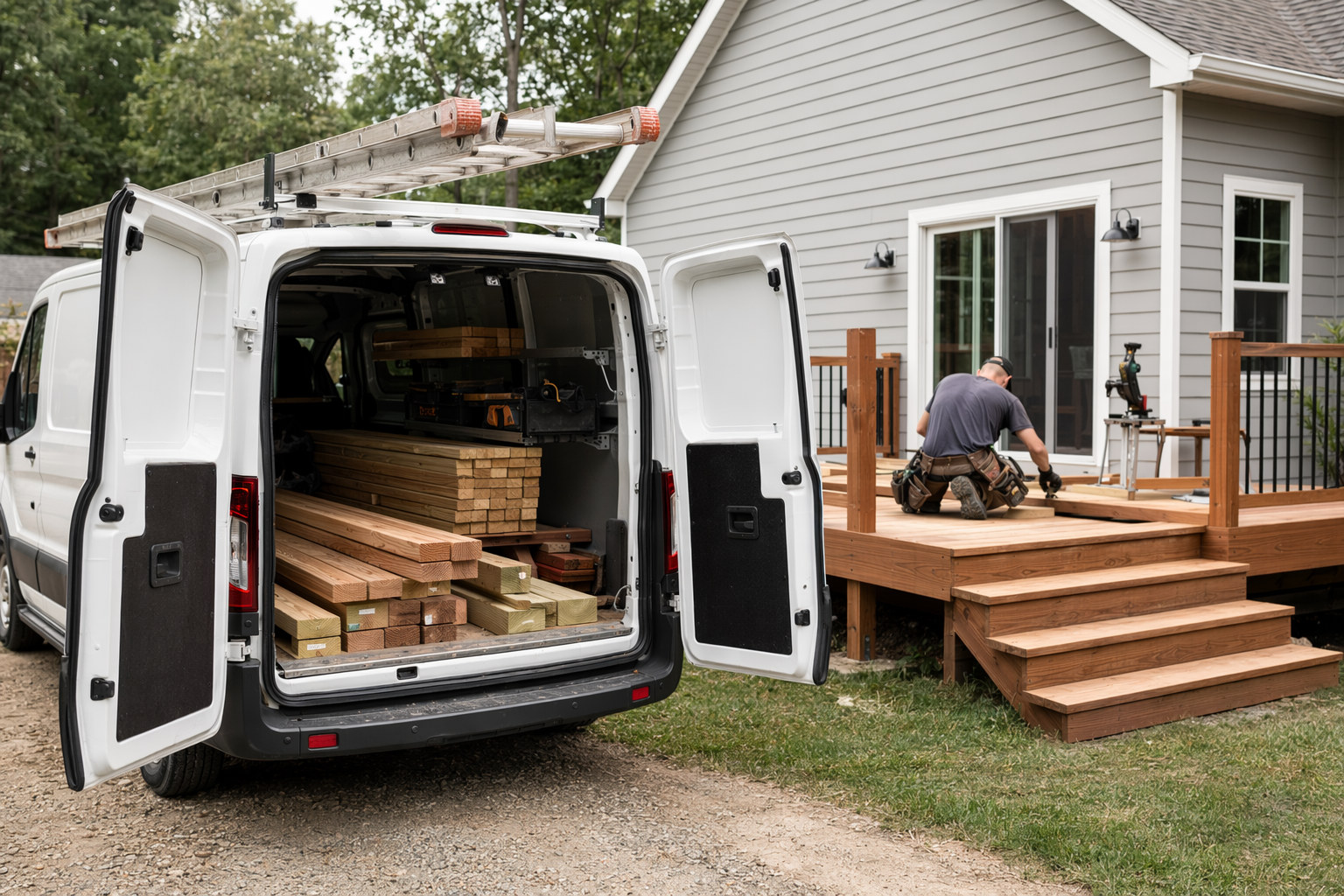
Short answer: often yes, but not always dollar-for-dollar
A well-built deck can make a backyard more attractive and add usable space, which many buyers like. In some areas, that can help your home stand out and support a stronger asking price.
But a deck rarely returns every dollar you spend. A small, clean deck in a neighborhood where outdoor space matters may help more than a large, expensive one that is out of scale with nearby homes. The real value is usually a mix of resale appeal, daily use, and fewer buyer objections at inspection time.
If you are trying to decide whether the project is worth it, compare your local home values and your likely project cost first. Our cost guide can help you think through typical budget ranges before you start talking to builders.
What usually helps resale value
Buyers tend to respond best to a deck that looks solid, safe, and easy to maintain. Straight lines, sturdy railings, clean framing, and proper stairs matter more than fancy extras.
A deck that connects smoothly to the house and yard can make the outdoor space feel larger. That matters especially for smaller lots, townhomes, or homes with a walkout from the kitchen or living area.
Material choice also affects buyer appeal. Pressure-treated wood is usually the cheapest upfront, but it needs sealing and more upkeep. Cedar sits in the middle. Composite costs more at first, but many buyers like the lower maintenance. PVC is the most weatherproof and usually the priciest.

What can hurt resale value
A deck can become a problem if it looks tired, unsafe, or poorly planned. Rotten boards, loose railings, uneven stairs, and water-damaged ledger connections can scare buyers and trigger repair requests.
Oversized decks can also be a mismatch. If the deck crowds the yard, blocks drainage, or looks too elaborate for the neighborhood, buyers may not value it the way the seller hoped.
The big one is bad construction. Use how to vet a deck builder before you hire anyone. Ask for a licensed, insured builder, verify the license and insurance yourself, and make sure the right permits are pulled and the work passes inspection.
How much value a deck adds varies by market
There is no single resale number that fits every home. Local climate, lot size, neighborhood expectations, and the age of your home all affect how much buyers care about a deck.
In places with mild weather and active outdoor living, a deck may be more important than in areas where outdoor use is limited by heat, snow, or very small lots. In some markets, a simple, well-kept deck helps a listing feel complete. In others, it is just one feature among many.
That is why it helps to ask local licensed deck builders for estimates and get a feel for what similar homes in your area have. OutDeckly can connect you with licensed deck builders so you can compare ideas and quotes without paying for the matching service.
Smart ways to spend if resale is the goal
If you care about resale, keep the design practical. A good layout, correct footings, proper flashing, code-compliant railings, and safe stairs usually matter more than decorative extras.
A few common trade-offs:
- Pressure-treated wood: lowest upfront cost, but it needs regular sealing and maintenance.
- Cedar: middle-ground look and price, with moderate upkeep.
- Composite: higher upfront cost, lower upkeep, often attractive to buyers who want less maintenance.
- PVC: best weather resistance, usually the most expensive.
Ask builders to spell out the scope in writing before any deposit. That should include materials, framing, footings, railings, stairs, permits, and cleanup. Permit rules and code details vary by city and state, so the licensed builder should confirm what applies to your address.
A practical rule of thumb before you build
If you will use the deck often, that value matters even if the resale math is not perfect. A deck that fits your home, follows code, and looks well maintained is more likely to help than hurt when it is time to sell.
If you are building only for resale, stay conservative. Choose a size and finish that match nearby homes and avoid features that add cost without adding buyer appeal.
And before you hire anyone, make sure you get the price and scope in writing, verify insurance, and confirm permit and inspection steps. That is the best way to keep the project clean for you and easier to explain to a future buyer.
A deck can help resale, but only if it is well built, fits the home, and matches your local market.