How Long Does a Deck Last?
A wood deck can last about 10–20 years, while composite decks often last 25–30 years or more with normal care. The real answer depends on the materials, how the deck was built, and how well it was maintained.
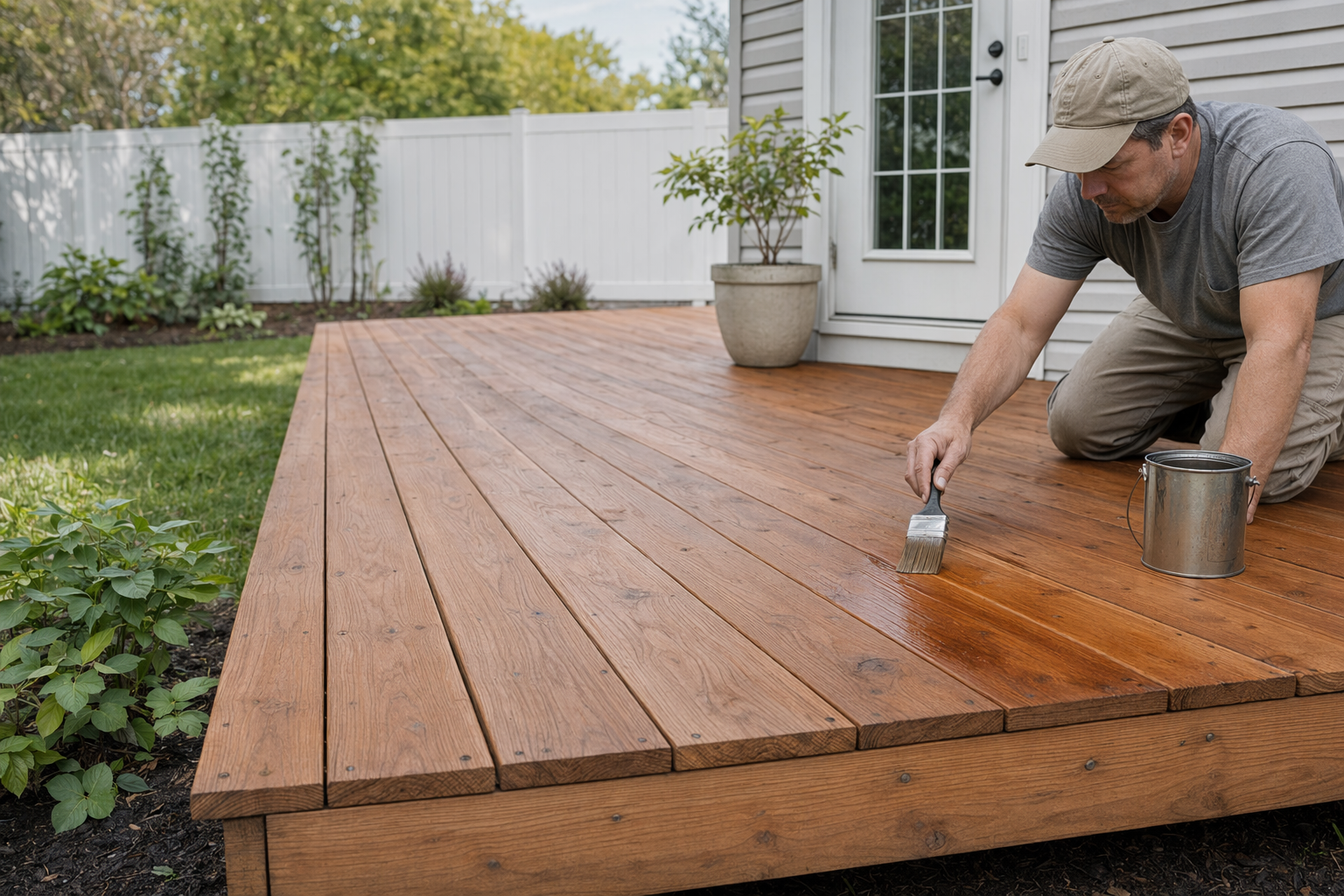
Typical deck lifespan by material
Pressure-treated wood is usually the cheapest up front, but it needs regular cleaning, staining, and sealing to last. In many homes, that means around 10–15 years before bigger repairs start showing up, sometimes longer if the deck stays dry and gets care.
Cedar often lands in the middle. It can look great and resist rot better than basic wood, but it still needs upkeep. A well-kept cedar deck may last about 15–20 years.
Composite decking costs more at the start, but it usually holds up longer and needs less routine maintenance. Many composite decks last 25–30 years or more. PVC is often the most weatherproof and the priciest, and it can last a long time too. The exact lifespan still depends on the frame, fasteners, sun exposure, and moisture.
What actually shortens a deck's life
A deck usually fails because of water, not just age. If the ledger board was not flashed well, water can get behind the house wall and rot the connection. If footings move with frost, posts can shift and the structure can sag.
Poor drainage is another big one. If water sits on the boards or around the posts, wood breaks down faster. Sun, snow, ice, and heavy shade all matter too. A deck in a wet, shaded yard often ages faster than one with good airflow.
Build quality matters a lot. Strong joists, proper hardware, correct fasteners, and the right spacing for the boards all help. A licensed, insured deck builder should know local code, but you should still verify the license and insurance yourself, confirm the permit is pulled, and make sure the work passes inspection.

Signs your deck is getting old
Some wear is normal. Faded color, minor surface cracks, and a little splintering do not always mean the deck is unsafe. But once boards start feeling soft, posts wobble, or railings move when you lean on them, it is time for a closer look.
Watch for nails or screws popping up, deep rot around stairs, cracked support posts, or staining that keeps coming back after rain. If the deck bounces more than it used to, or if boards near the house are pulling away, the frame may need repair.
If you are not sure, ask a licensed deck builder to inspect it before you spend money on cosmetic fixes. A simple repair may be enough. In other cases, replacing a few parts is smarter than patching a structure that is nearing the end of its life.
How to make a deck last longer
A little routine care goes a long way, especially for wood. Sweep debris off the deck, keep the space under it clear, and clean off dirt and mildew before it builds up. For wood decks, sealing or staining on a regular schedule helps slow moisture damage.
Use the right products for the material. Pressure-treated wood needs sealing. Cedar benefits from protection too. Composite and PVC do not need the same finishing work, but they still need cleaning and basic care. Never trap moisture with rugs, planters, or stored items that stay wet for long periods.
If you are planning a new deck, it can help to compare materials and maintenance costs together, not just the first price. Our cost guide explains typical ranges and what affects them. You can also get matched with licensed, insured deck builders who can look at your site conditions and give written pricing.
Repair, refinish, or replace?
If the deck surface is worn but the frame is solid, refinishing or replacing boards may be enough. That is often the case when the problem is mostly fading, surface checking, or a few loose boards. If the frame, footings, or ledger are compromised, replacement may be the safer move.
Age alone does not decide it. A 12-year-old deck with moisture damage may be a bigger concern than a 20-year-old deck that has been cared for and built well. A licensed builder can tell you whether the structure is worth repairing, but get the scope and price in writing before you agree to any deposit.
If you are hiring someone, use our how to vet a deck builder guide. It covers the basics: verify license and insurance, ask about permits, and make sure the final work is inspected.
Deck life depends mostly on the material, water damage, and maintenance: wood wears out sooner, composite lasts longer, and structural problems should always be checked by a licensed, insured builder.