Rooftop and Balcony Decks — What to Know
Rooftop and balcony decks can turn underused space into a great hangout spot, but they also come with extra structure, waterproofing, and permit questions. OutDeckly connects you with licensed, insured deck builders who can review the job and give you estimates.
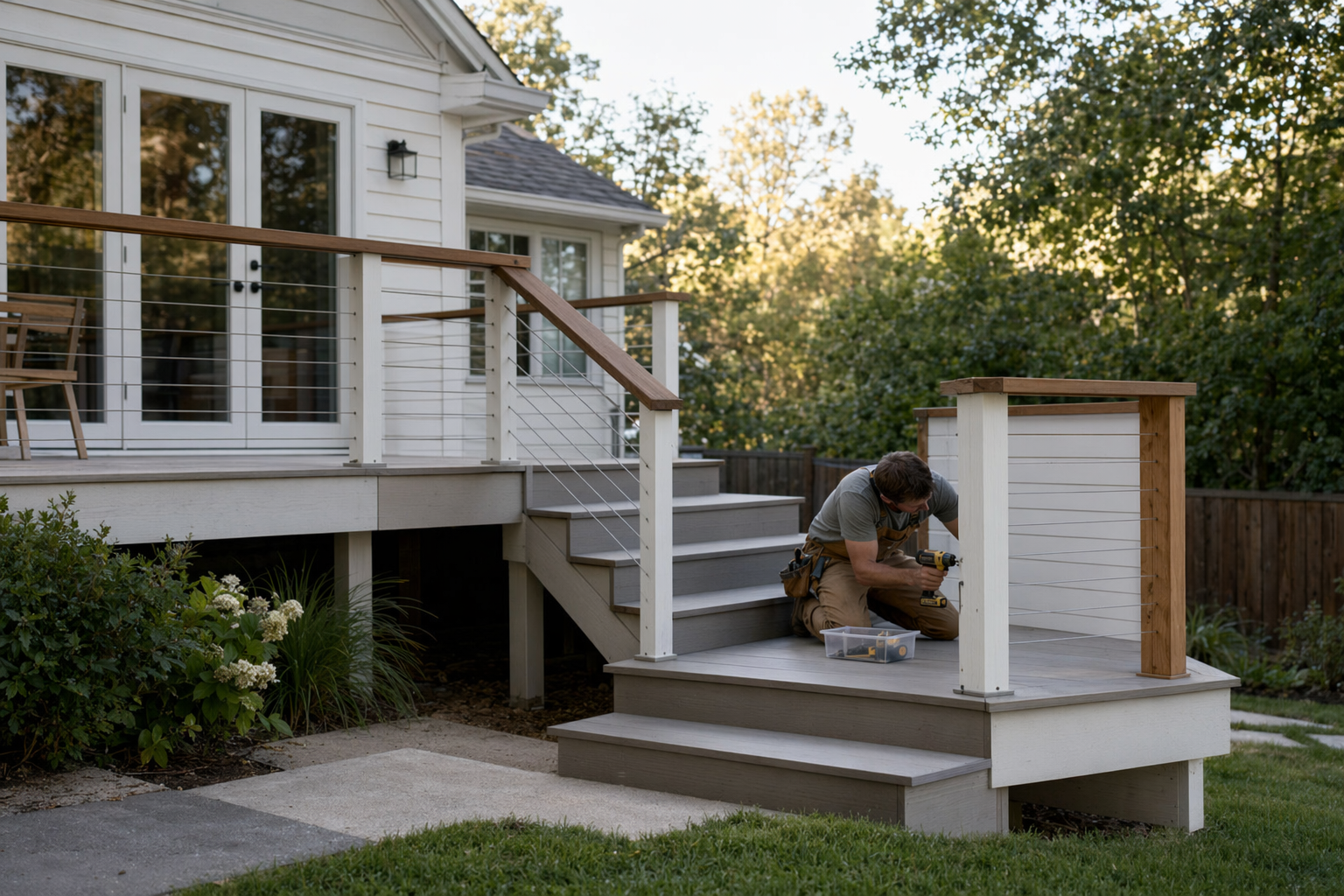
What makes rooftop and balcony decks different
A roof deck or balcony deck is not the same as a deck built at ground level. The structure has to handle the weight of people, furniture, planters, and sometimes snow or wind, and it has to do that without damaging the building below.
That usually means more planning around load paths, framing, footings or support points, flashing, railings, stairs, and waterproofing. On an existing roof or balcony, the builder also has to look at the condition of the structure underneath before anything goes in.
Because the risk is higher, this is a job for licensed, insured deck builders who have real experience with elevated work. Always verify the license and insurance yourself, and make sure the scope and price are in writing before you pay a deposit.
Waterproofing and drainage matter a lot
For a rooftop deck, keeping water out is just as important as building the walking surface. If the waterproof membrane is damaged, water can get into the home or building and cause expensive repairs.
The deck system may need pedestals, sleepers, specialty fasteners, or a floating surface so water can still drain. A good builder should explain how the deck will protect the membrane and where water will go after rain or snow melts.
If you are comparing options, ask whether the design requires cutting into the roof surface, adding penetrations, or making changes to existing flashing. Those details can change the cost and the risk.
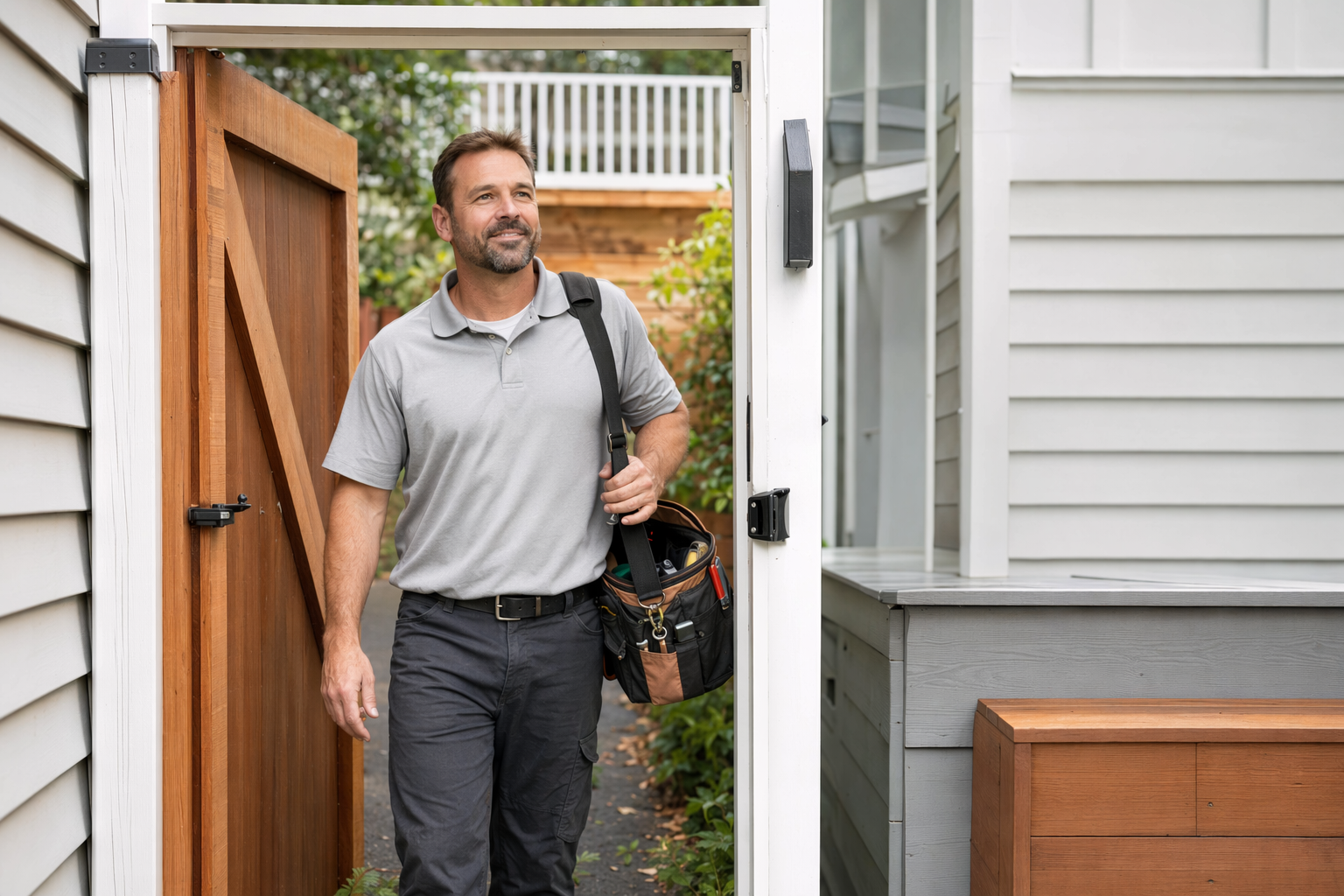
Costs can be higher than a normal deck
Rooftop and balcony decks often cost more than basic ground-level decks because access is harder, engineering may be needed, and waterproofing adds work. Typical project costs can vary widely, but many homeowners see a rough range of about $50 to $120+ per square foot, and sometimes more for complex sites.
The real price depends on size, material, height, railings, stairs, footings or support structure, site access, and local code requirements. Pressure-treated wood is usually the cheapest upfront, cedar is a middle option, composite costs more at first but usually needs less upkeep, and PVC is the most weather-resistant but also the priciest.
If you want a clearer picture, start with the basics on deck costs and then compare written estimates from the licensed deck builders we match you with.
Permits, codes, and building rules can be strict
Most rooftop and balcony deck projects need permits, and the rules can be stricter than for a backyard deck. Cities and states may have different requirements for structural load, guardrail height, stair layout, setbacks, fire access, and waterproofing details.
A builder should tell you which permits are needed and who will pull them. Do not assume an existing balcony or roof can support a new deck just because it already has a flat surface.
You should also confirm that the work will pass inspection. That means asking about the framing plan, railing details, attachment method, and any structural review required by the local building department.
Questions to ask before you hire
The safest way to compare bids is to ask the same questions every time. Keep it simple and make sure the answers are in writing.
Use this short list when you talk with builders:
- Are you licensed and insured for this type of work?
- Have you built rooftop or balcony decks before?
- What permits will be needed, and who pulls them?
- How will the deck protect the waterproof membrane?
- What materials are you recommending, and why?
- What is included in the price, and what is not?
- When are payments due, and how much deposit is required?
If you want help checking a builder’s background, see how to vet a deck builder.
How OutDeckly helps
OutDeckly is a free matching service, not a deck builder. We connect homeowners with licensed, insured deck builders near them so they can compare estimates and choose who to hire.
When you request a match, we collect contact and project details only. We do not collect financial account numbers or financial records. Our lead forms include a TCPA consent checkbox, and you can opt out where applicable.
If you are ready to get started, use Get Matched to share your project details and connect with builders who handle rooftop and balcony deck work.
Rooftop and balcony decks need extra planning for structure, waterproofing, permits, and railings, so hire licensed, insured builders and get everything in writing.