When Composite Beat Wood Over the Long Run
A family chose composite decking even though the upfront price was higher than pressure-treated wood. A few seasons later, they were glad they traded weekend upkeep for a lower-maintenance deck that still looks good.
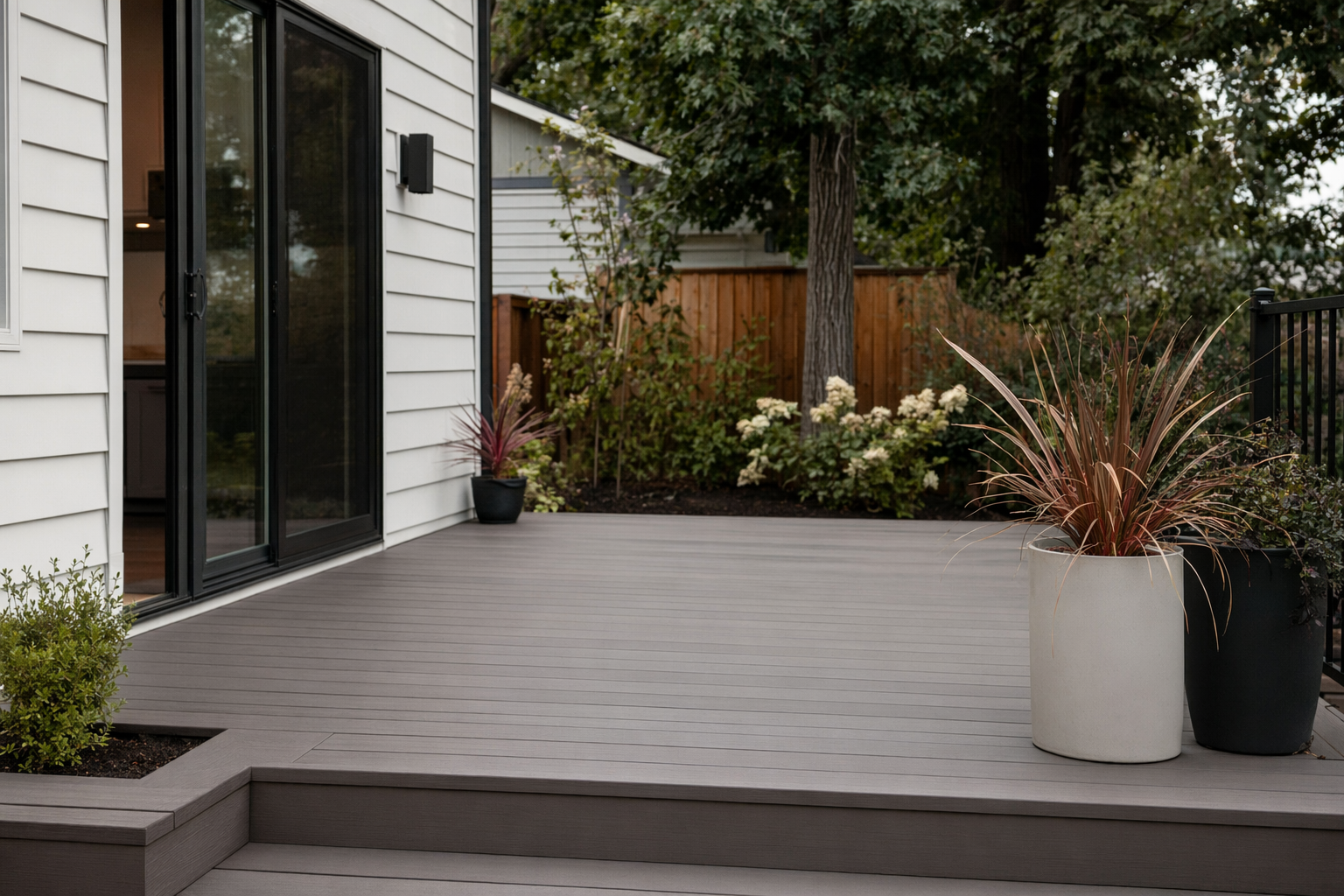
The situation
The homeowners wanted a new backyard deck for family meals, a grill area, and a place for kids to play. They were comparing pressure-treated wood, cedar, and composite, and the biggest question was simple: save money now, or spend more now and reduce upkeep later?
They were not trying to build a showpiece. They wanted something practical that could handle weather, foot traffic, and busy weekends without becoming a second chore list.
Why composite won
Pressure-treated wood was the cheapest upfront, which made sense for a tighter budget. But they also knew wood usually needs regular sealing or staining to stay looking decent, and that maintenance can add up in time and materials.
Composite cost more at the start, but it offered a more predictable upkeep routine. For this family, that trade-off mattered more than the lowest first price. Composite is not magic — it still needs cleaning — but it can be a good fit when low maintenance is the goal.
They also looked at framing honestly. Even if the deck boards are composite, the frame underneath may still be wood unless the builder specifies otherwise. That matters for durability, cost, and the final estimate.

What they did next
They used Get matched with licensed deck builders to talk with a few local companies and compare written estimates. The estimates were not identical, which is normal. Price changed based on deck size, height, stair count, railings, footings, material choices, and site conditions.
Before moving forward, they checked that each builder was licensed and insured, asked how permits would be handled, and made sure the scope was written down before any deposit. They also used How to vet a deck builder to ask a few basic questions that are easy to forget when you are excited about the project.
One important detail: permit rules and inspection requirements vary by city and state. The family did not assume anything. They confirmed what their local area required and made sure the work would be done to pass inspection.
The outcome
The deck cost more than the cheapest wood option, but the family got what they wanted: a usable outdoor space without the repeated cycle of sanding, sealing, and staining every few years.
After the first full seasons of use, they felt the higher upfront cost was worth it for their situation. They still cleaned the surface and kept up with basic care, but they were not spending the same amount of time protecting the boards the way they would have with wood.
This is an illustrative story, not a promise of savings for every homeowner. Real costs depend on deck size, height, railings, stairs, footings, materials, and local labor. For a general sense of pricing, see deck cost basics.
What this story shows
Composite is not always the cheapest choice, and it is not the right answer for every budget. But if a homeowner plans to stay in the house for years and wants lower upkeep, the higher upfront price can make sense.
The key is to compare the full picture, not just the first number. Ask for licensed, insured deck builders, verify permits, get everything in writing, and compare materials honestly before deciding.
This family paid more for composite upfront and avoided the ongoing sealing and staining that wood usually needs.