How One Homeowner Avoided a Bad Builder
Anonymized and illustrative: this homeowner caught a few early warning signs, asked better questions, and picked a licensed, insured deck builder instead of rushing into the first low offer.
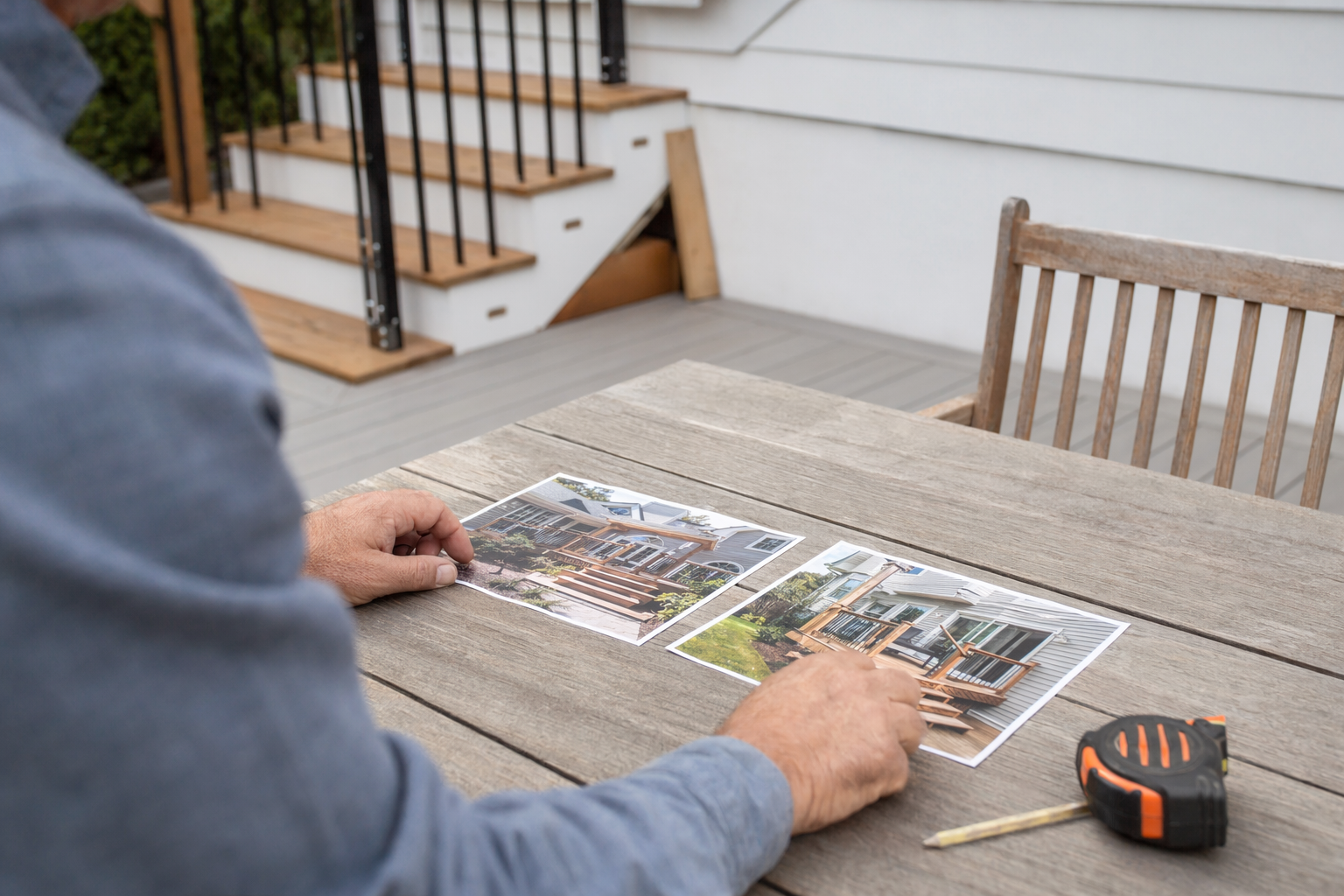
The project started with a simple idea
A homeowner in the suburbs wanted a small backyard deck for weekend grilling and a better place to sit outside. They had a rough size in mind, but no plans, no builder, and no idea what a fair price should look like.
They reached out to a few local companies and got very different numbers. One was unusually low. Another came in higher, but included more detail about footings, framing, railings, stairs, and permit work. That difference is what made them slow down.
The red flags showed up fast
The lowest bidder wanted a deposit before giving a full written scope. They also brushed off questions about license and insurance, saying it was "all standard" and that permits were "usually not a big deal." That was enough for the homeowner to pause.
They checked the builder's license and insurance on their own, and the answers did not line up cleanly. The homeowner also asked whether the right permits would be pulled and who would handle inspection. The responses were vague, which is often a sign to keep looking.
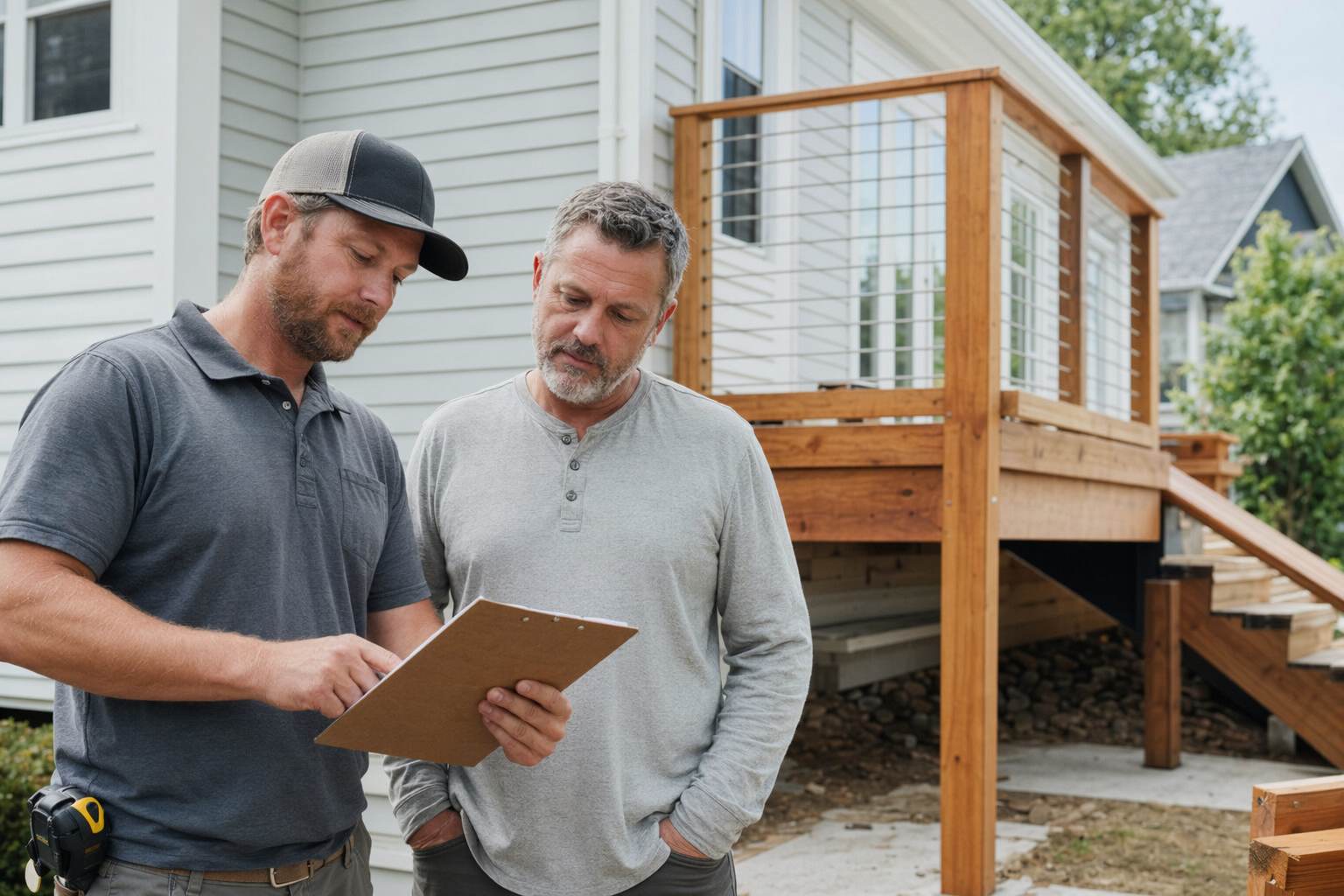
They compared builders the right way
Instead of chasing the cheapest number, the homeowner focused on what was included. They asked each licensed, insured deck builder about materials, framing, ledger attachment, footings, stair layout, rail height, and cleanup. They also asked for the price and scope in writing before any deposit.
That made the quotes easier to compare. One builder explained the trade-offs clearly: pressure-treated wood would cost less upfront but need sealing and upkeep, cedar would sit in the middle on price, and composite would cost more at the start but need less maintenance over time. The homeowner could finally compare options based on real life, not just the sticker price.
The final choice was not the cheapest one
The homeowner chose the builder who answered questions directly, showed proof of insurance, and clearly described the permit and inspection process. The estimate was not the lowest, but it was written out in a way that made sense.
The deck was completed with the agreed materials and passed the local inspection after the proper permits were pulled. The homeowner said the biggest win was not saving a little money upfront — it was avoiding a project that could have turned into delays, surprise costs, or code problems later.
What this story is meant to show
This is a composite example, not a promise of any result. Every deck project is different, and real costs depend on size, material, height, footings, railings, stairs, site conditions, and local rules.
A low price can be tempting, but it is not enough on its own. For any deck project, the safer move is to compare licensed, insured deck builders, verify the paperwork yourself, confirm permits and inspection, and get everything in writing before you pay a deposit. If you are starting from scratch, get matched and then use this vetting guide to compare builders with more confidence.
This homeowner avoided a risky builder by checking license, insurance, permits, and written scope before choosing someone to hire.